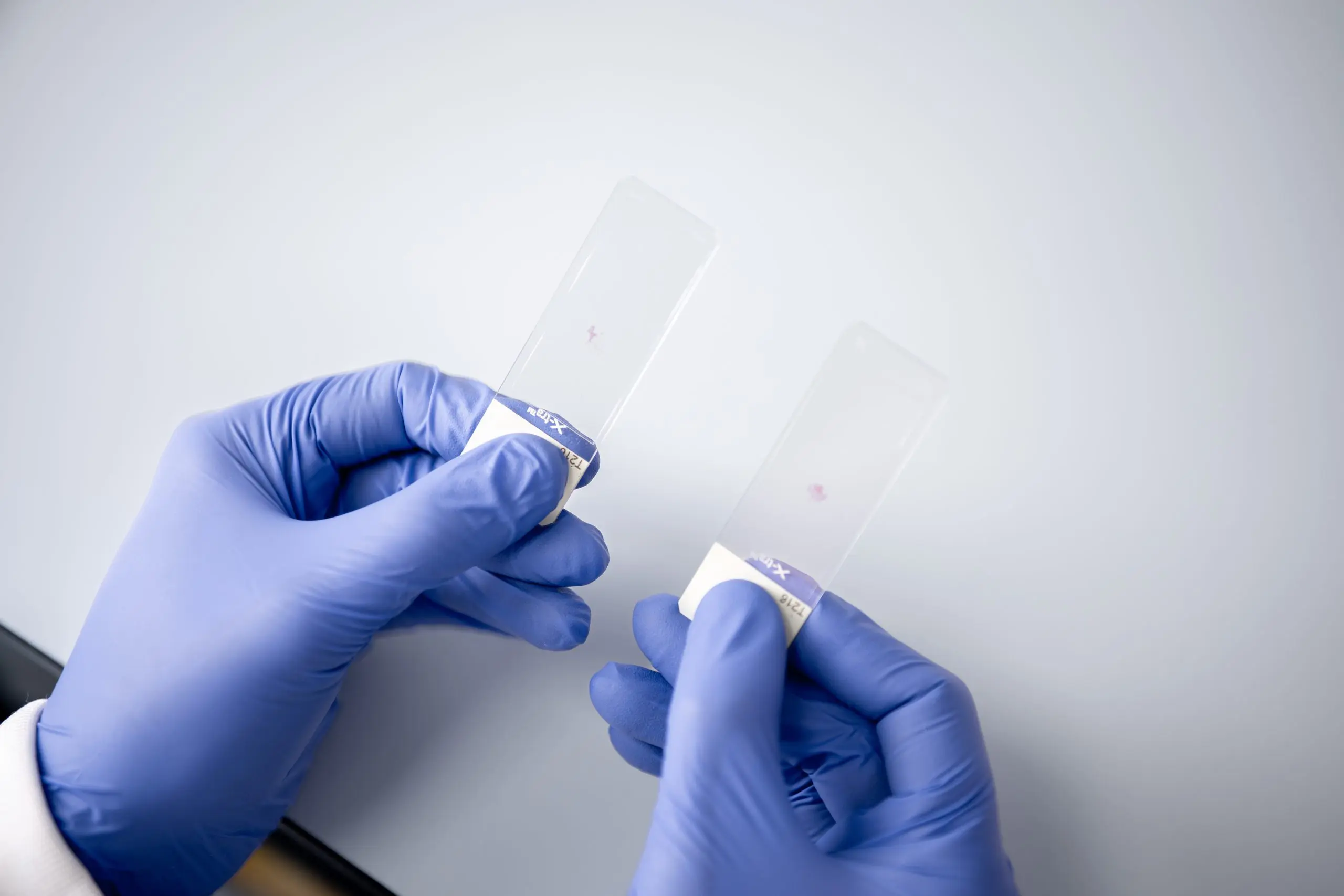
Find problems before they scale
We help you strengthen preclinical toxicology studies before formal GLP programs begin by using viable, intact human tissue as a translational filter.
By testing assets directly in viable, intact human tissue it is possible to observe tissue stress, damage and dysfunction in the biology that matters, before committing resource to formal GLP programs.

Early safety concerns, clearly identified
Viability and functionality readouts identify early safety concerns before disproportionate development capital, animal lives and resources are committed to expensive formal toxicology tests.

Safety insight across multiple organs
Across lung, kidney and liver tissue, we use organ-specific readouts to assess how your assets behave, enabling direct observation of asset behavior in human tissue before formal toxicology investment.

A clearer no-go signal
If viability, functionality or damage marker readouts show early safety concerns, you gain a clearer basis for stopping compounds. That turns preclinical attrition into strategic progress, rather than a costly late-stage setback.
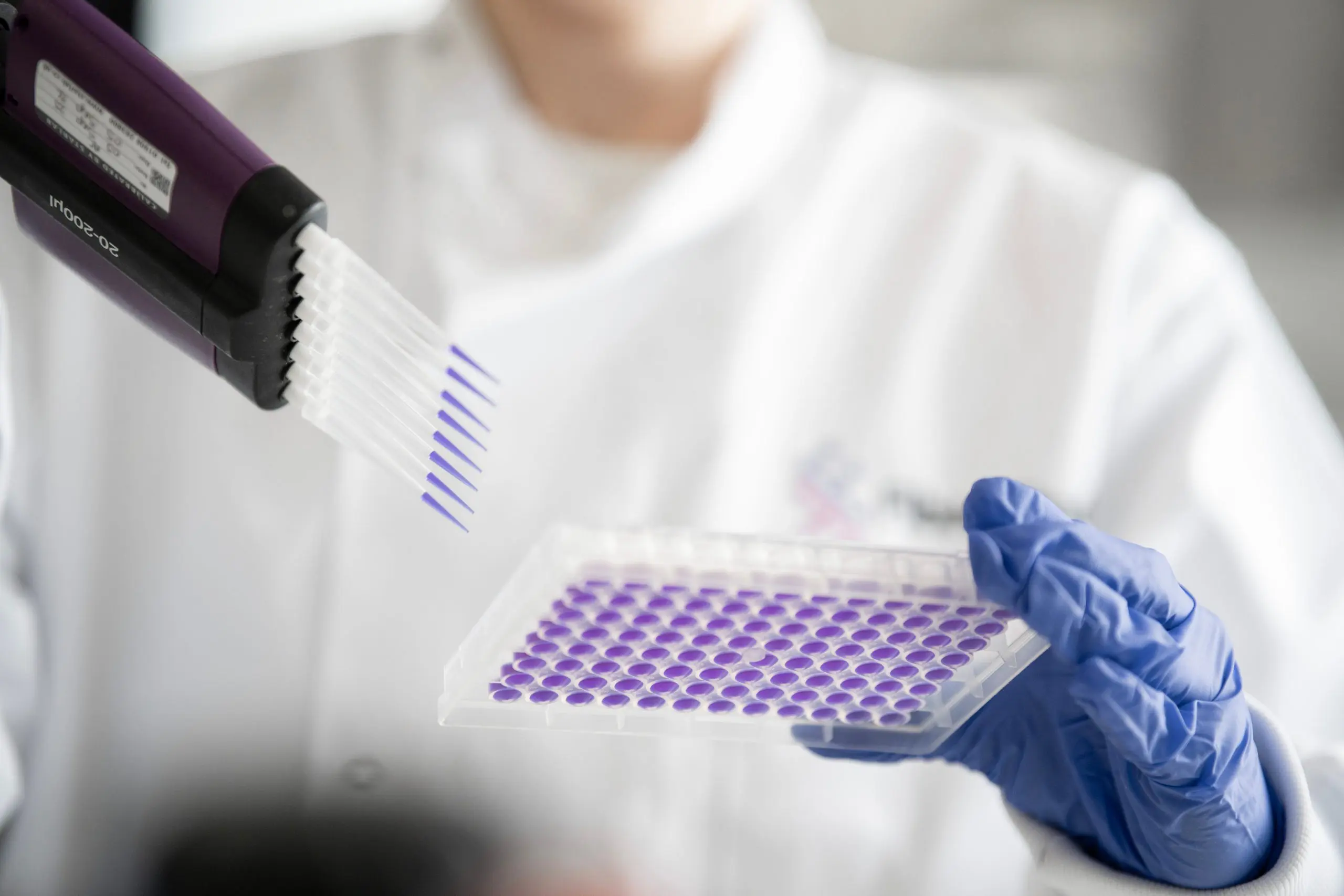
Build confidence before formal toxicology
We assess tissue health using viability, functionality and organ-specific functional assays designed to identify emerging safety concerns before formal toxicology investment, including:
- ATP assays
- Permeability assays
- Damage markers
- Organ-specific functional assays
By evaluating these signals in intact, viable human tissue, you gain the clearest evidence of whether your therapeutic is creating tissue stress, damage or dysfunction, increasing your confidence in which assets should progress and which should be stopped before more expensive safety studies begin.
Our platform
Our proprietary bioreactor platform sustains native tissue architecture, active cellular signalling and intact disease phenotype across extended study durations, enabling emerging safety concerns to be observed directly in intact, viable human tissue.

Related resources
Explore our insights to learn more about how data generated in viable, intact human tissue supports lead prioritization and reduces uncertainty in early development.
Poster
Combination of an Acetyl-Coenzyme A Carboxylase Inhibitor and Fibroblast Growth Factor-19 Reduced Tissue Triglyceride Content and Fibrosis in Human Precision-Cut Liver Slices
See how combining ACC inhibition with FGF19 reduced triglyceride accumulation and fibrosis in human precision-cut liver slices.
The evidence your program demands
Speak to our team about your program.