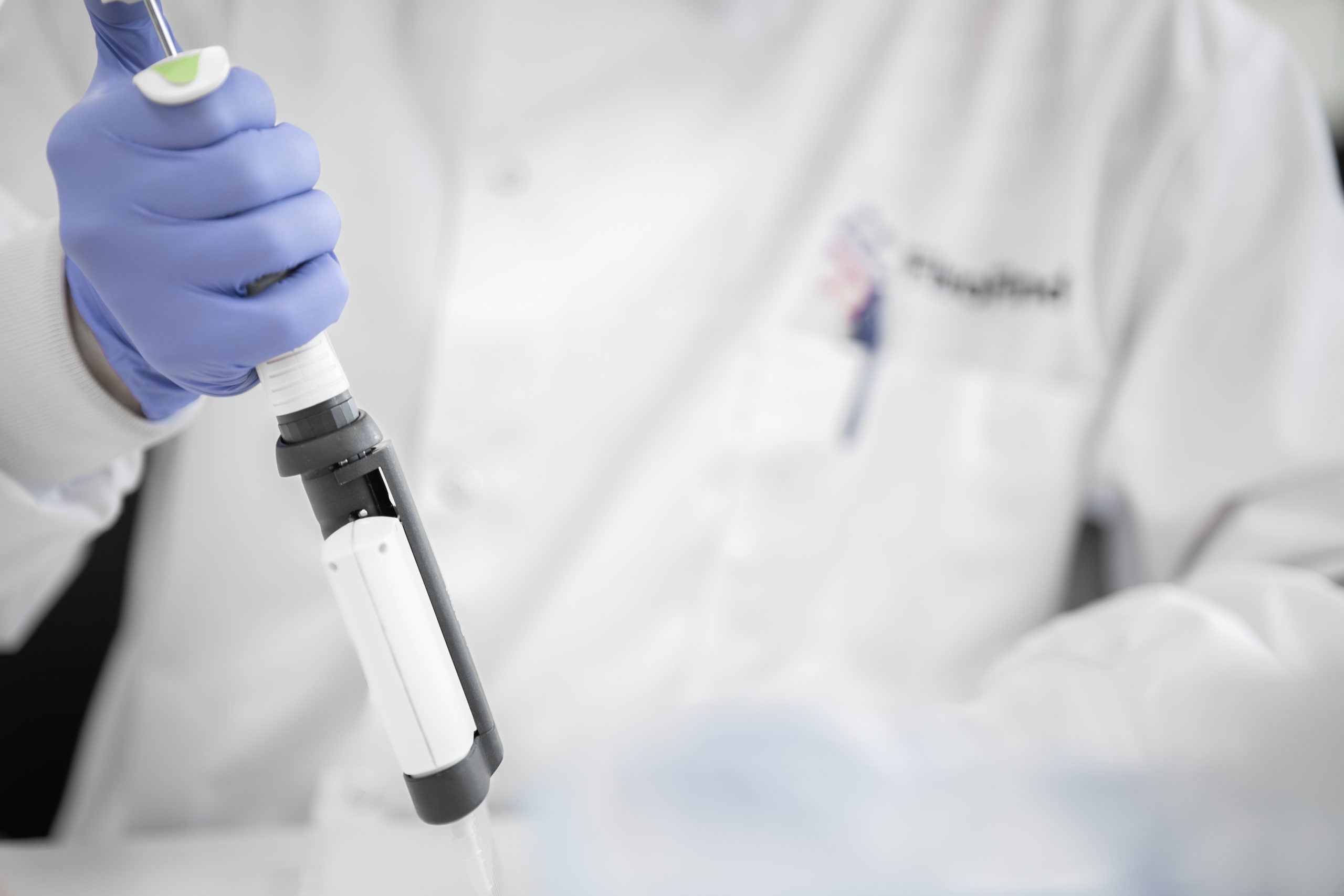
Observe. Do not infer.
Your IND submission needs evidence that can stand up to scrutiny.
By measuring target engagement, pathway modulation and tissue-level biological effects directly in viable, intact human tissue, we generate evidence from the relevant biological system before formal regulatory submissions begin.
We help establish the pharmacological rationale for advancement of an asset by demonstrating biological activity in real human disease or using viable, intact human tissue. These data complement IND-enabling safety, toxicology and PK studies, increasing confidence before major development decisions are made.

Validate target engagement in tissue
Determine whether your compounds are hitting their intended targets in viable, intact human tissue.

Identify translational biomarkers
Discover and evaluate biomarkers in viable, intact human tissue that supports patient stratification, target engagement assessment and clinical trial readouts.

Define pathway modulation and MoA
Combine PCTS with advanced omics methodologies to understand how your asset is working, revealing the pathways, proteins and cell types driving responses.
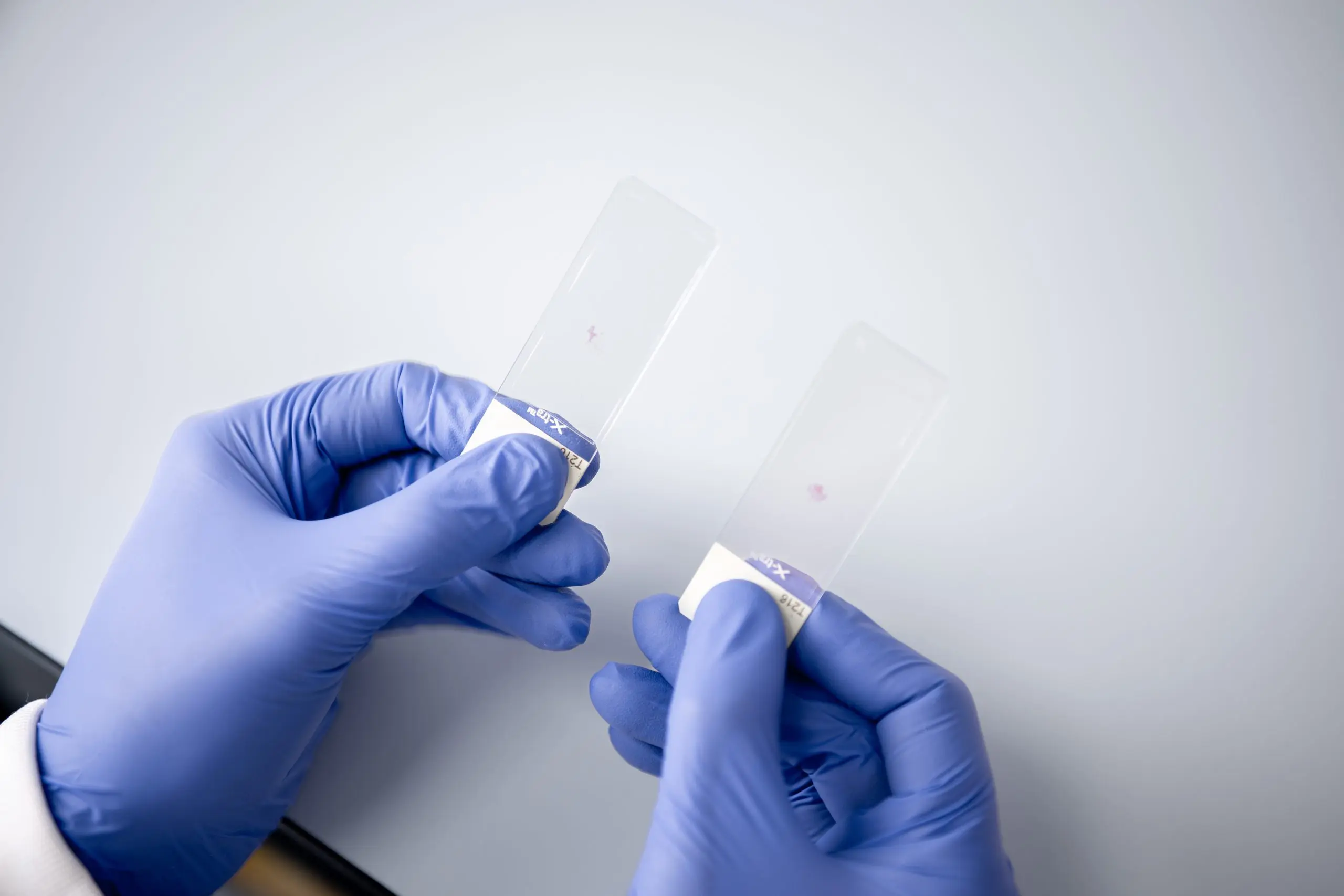
See problems earlier
Viable, intact human tissue gives you an early view of safety concerns alongside pharmacology studies. By monitoring tissue stress, damage markers and metabolic activity, you can assess whether your compound is compromising tissue architecture, cellular viability or organ-specific function.
Our platform
See how our patented bioreactor technology sustains native tissue architecture, cellular interactions and intact disease biology across extended study durations, enabling direct observation of compound behaviour in human pathology.

Related resources
Explore our insights to learn more about how data generated in viable, intact human tissue supports lead prioritization and reduces uncertainty in early development.
Poster
Combination of an Acetyl-Coenzyme A Carboxylase Inhibitor and Fibroblast Growth Factor-19 Reduced Tissue Triglyceride Content and Fibrosis in Human Precision-Cut Liver Slices
See how combining ACC inhibition with FGF19 reduced triglyceride accumulation and fibrosis in human precision-cut liver slices.
The evidence your program demands
Speak to our team about your program.