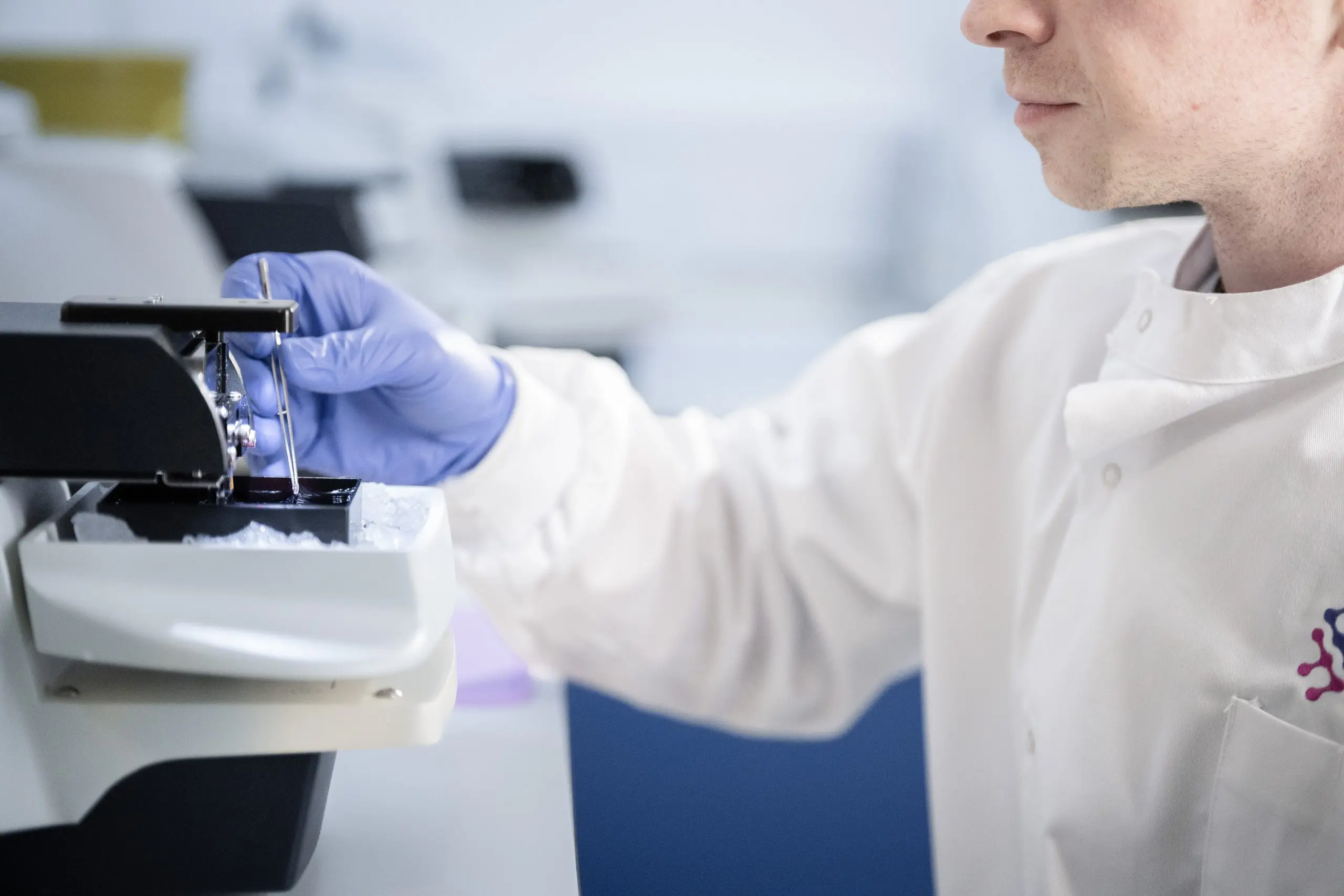
Replace biological guesswork with clarity
Our platform tests early target decisions directly in viable, intact human tissue. By working in real human biology from the outset, you can validate target expression, test target engagement and explore mechanism of action before the wrong target becomes an expensive commitment.
Beyond validating existing hypotheses, the platform can reveal disease-relevant biology and pathways to identify new therapeutic opportunities, all within tissue where the disease is already present.

Identify new therapeutic targets
Using advanced omics approaches, including single-cell and spatial analysis, you can interrogate the molecular and cellular mechanisms driving disease development to uncover targets missed by simplified systems.

Confirm target expression before you start
We use our existing omics datasets across liver, lung and kidney to confirm your targets are expression in our platform, helping you invest in the right studies for your assets.

Demonstrate target engagement in human tissue
Test whether your therapeutic is acting on its intended target and understand its mechanism of action in a real biological context before advancing into broader efficacy studies.
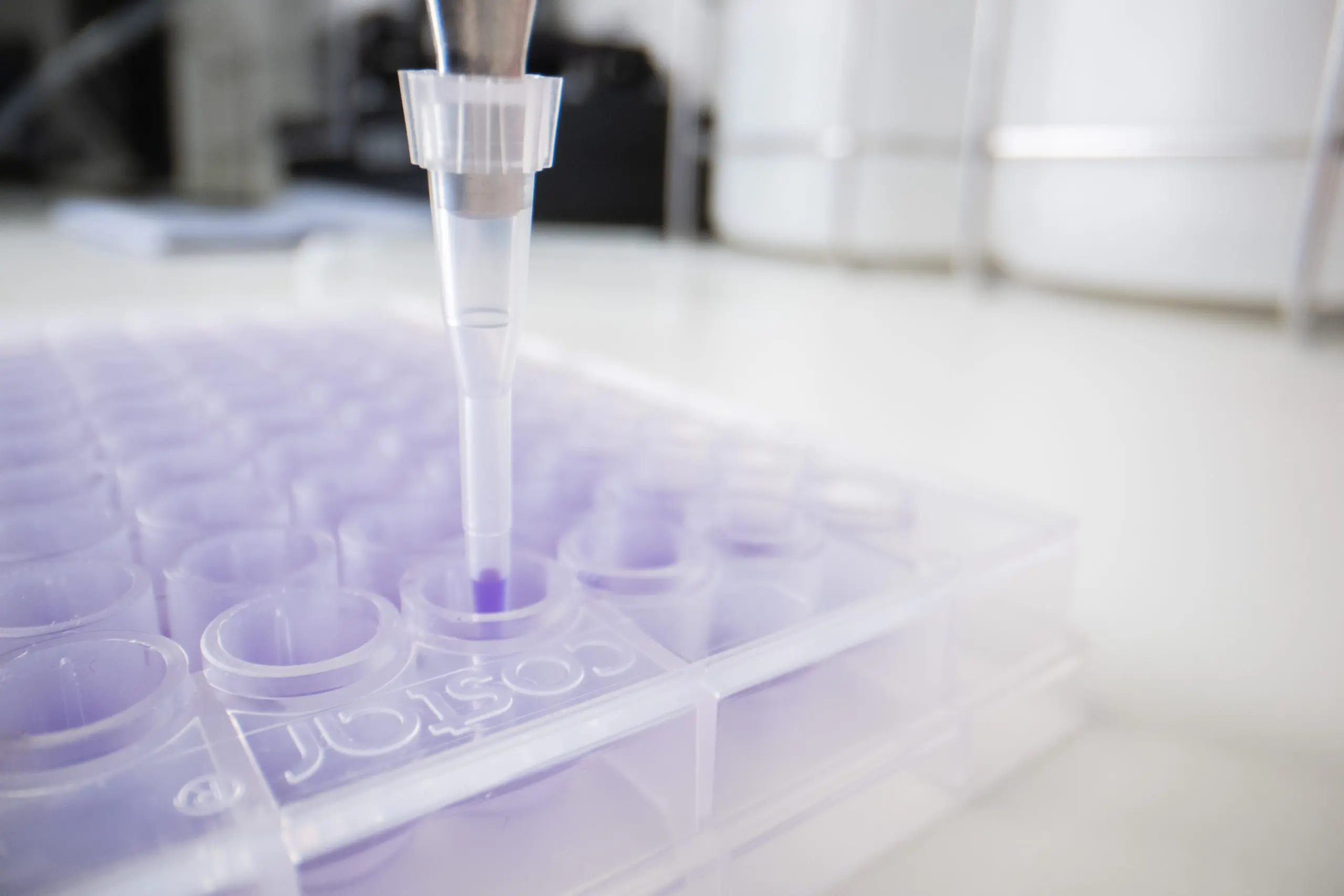
Move from promising targets to potential clinical candidate
Most lead screening still happens in models that do not reflect human biology. Compounds are ranked and optimized over years, only to fail when tested in clinic.
By bringing early compound sets into precision cut human tissue first, you can screen for target engagement, safety and efficacy in the context that matters. This helps prioritize the leads that work in human biology and allows you to carry these compounds forward with greater confidence.
Our platform
Discover how our patented bioreactor technology sustains viable, intact human tissue across extended study durations, enabling therapeutic response to be observed directly in human biology.

Related resources
Access technical insight exploring how targets are identified, validated and engaged directly in viable, intact human tissue.
Poster
Combination of an Acetyl-Coenzyme A Carboxylase Inhibitor and Fibroblast Growth Factor-19 Reduced Tissue Triglyceride Content and Fibrosis in Human Precision-Cut Liver Slices
See how combining ACC inhibition with FGF19 reduced triglyceride accumulation and fibrosis in human precision-cut liver slices.
The evidence your program demands
Speak to our team about your program.